Swaraj begins in the village
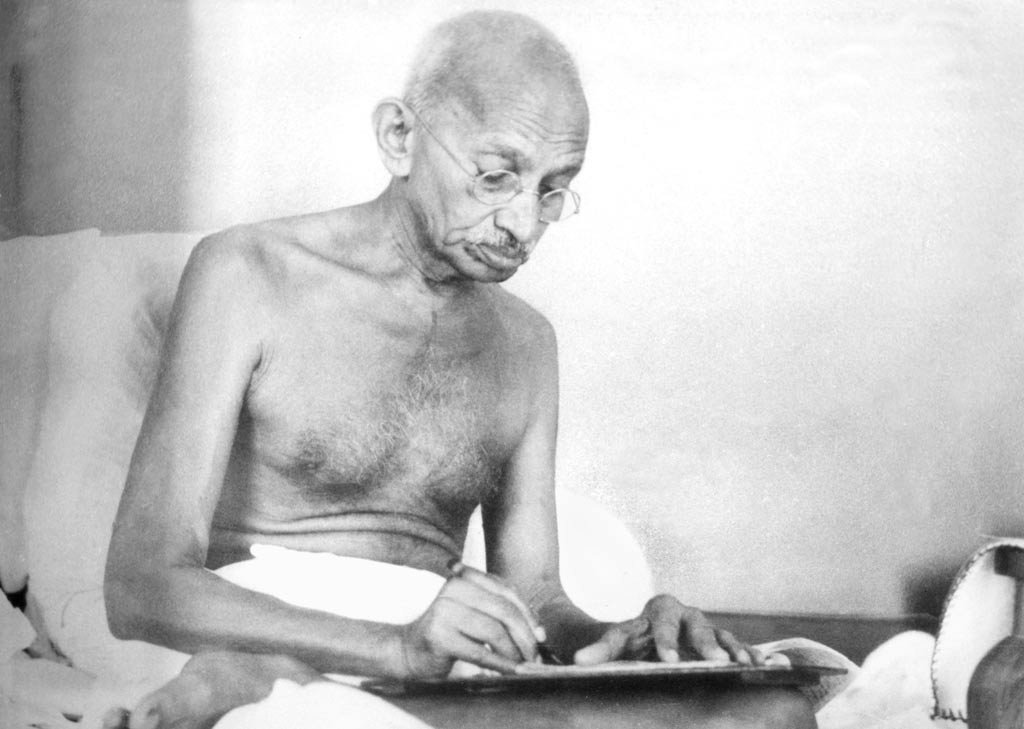
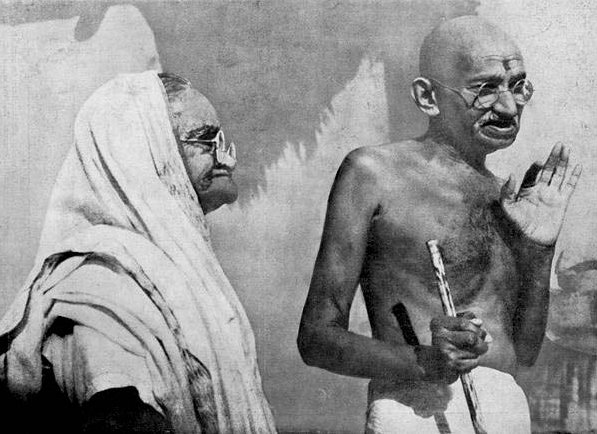
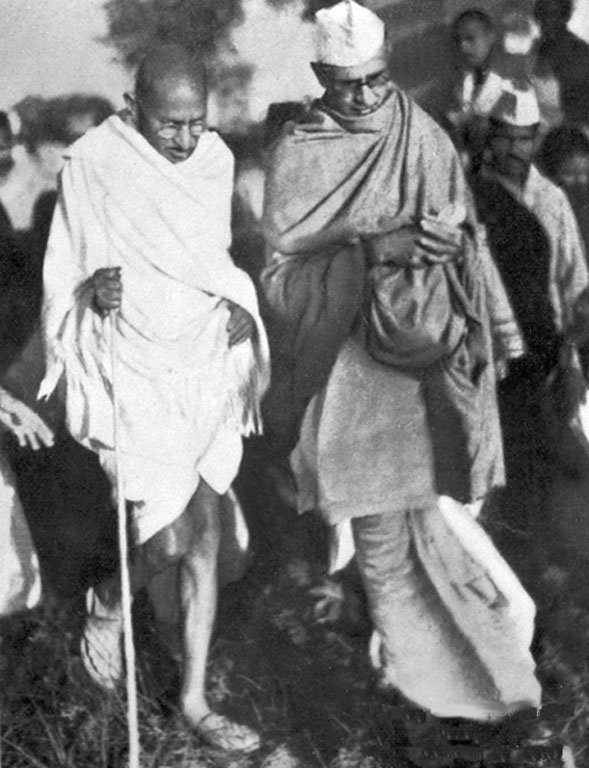
For Gandhiji, freedom was not something handed down from a capital city. It had to be built up from the smallest unit of life: the household, the village, the community that grows its own food and settles its own affairs. He imagined India as a web of self-reliant villages, each able to meet its basic needs, and each linked to the others by choice.
“My idea of village swaraj is that it is a complete republic, independent of its neighbours for its own vital wants, and yet interdependent for many others in which dependence is a necessity.”
Mahatma Gandhi, Harijan, 26 July 1942
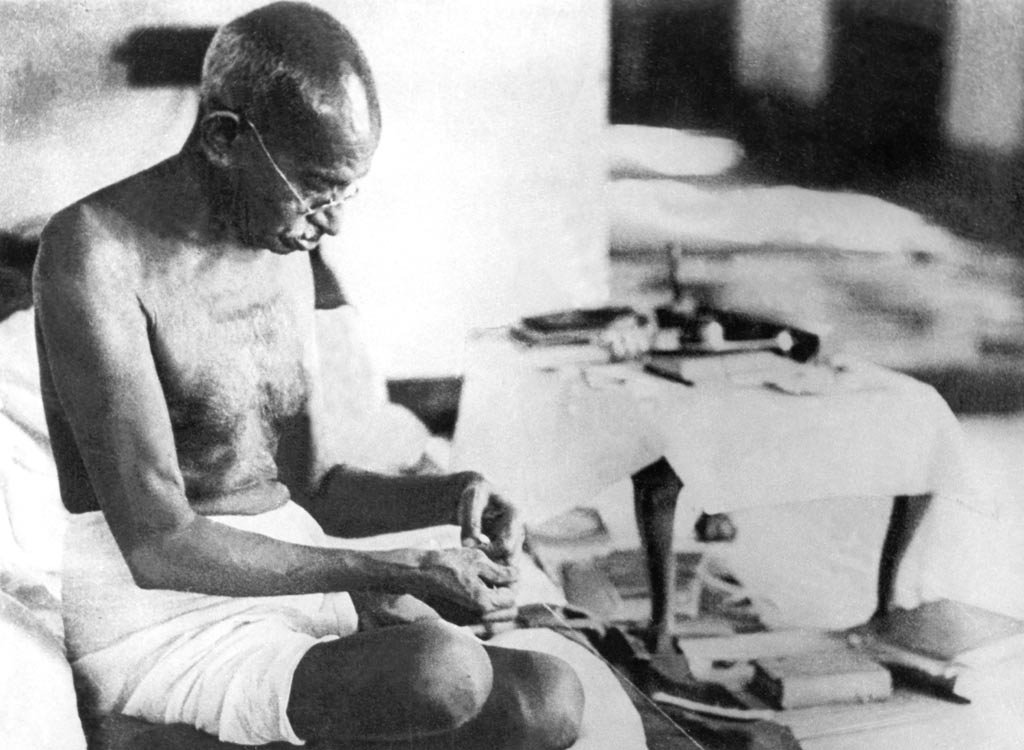
In 1941 he set this vision down in a short pamphlet, Constructive Programme: Its Meaning and Place, revised in 1945. It listed the everyday work through which ordinary people could build Swaraj for themselves: village industries, sanitation, basic and adult education, the place of women, health and hygiene, the welfare of farmers, of labourers and of Adivasi communities, and more.
“Complete Independence through truth and non-violence means the independence of every unit, be it the humblest of the nation, without distinction of race, colour or creed.”
Mahatma Gandhi, Constructive Programme (1941; rev. 1945), Introductory
The constructive programme, today
More than eighty years on, the same work is being done in India's villages by the organisations we support. Each works in its own way, in its own region. Together, their work reads like a living version of his list.
Kisans
Farmers
“Swaraj is a mighty structure. Eighty crores of hands have to work at building it.”
Farmers who keep their own seed are building it still. Sahaja Samrudha's 6,340 farmer-breeders conserve more than 800 rice varieties. In VAAGDHARA's villages, 74% of farming families now sow only their own generational seed.
Adivasis
India's indigenous peoples
“Though they are the sixteenth number in this programme, they are not the least in point of importance.”
Chaupal, run by Adivasis for Adivasis, helped 262 village councils win rights over 88,096 hectares of forest. VAAGDHARA works with Bhil families in 1,168 villages.
Other village industries
Livelihoods at home
“Village economy cannot be complete without the essential village industries such as hand-grinding, hand-pounding, soap-making, paper-making, match-making, tanning, oil-pressing, etc.”
A women's millet mill in Dharwad (Sahaja Samrudha), millet flour and sattu from Koderma (Samarpan), jute craft and a chilli cooperative in Nagaland (PRO RURAL), a women's bakery in Ladakh (LNP).
New or basic education
Nai Talim
“Basic education links the children, whether of the cities or the villages, to all that is best and lasting in India.”
Samarpan began by bringing children out of the mica mines and into school; 1,250+ enrolled in 2022-23 alone. VAAGDHARA's children's councils take their charters to the village assembly.
Women
Equal shapers of destiny
“In a plan of life based on non-violence, woman has as much right to shape her own destiny as man has to shape his.”
2,768 women's leadership groups plan village development with VAAGDHARA. 150 women became millet entrepreneurs with Samarpan. Landless women in Mattigatti lease and farm their own acre with Sahaja Samrudha.
Education in health and hygiene
Health in the village
“The fundamental laws of health and hygiene are simple and easily learnt. The difficulty is about their observance.”
Kitchen gardens against child malnutrition (Vikas Samvad), crèches and sickle cell screening (Chaupal), and a mobile clinic for villages that had never seen a doctor (PRO RURAL).
Village sanitation
Clean villages
“Divorce between intelligence and labour has resulted in criminal negligence of the villages.”
PRO RURAL has trained households in home composting. In Mangela Pada, a girl's voice in the Gram Sabha won her school a girls' toilet (VAAGDHARA).
Village self-government
Gram Swaraj
“Independence must begin at the bottom. Thus, every village will be a republic or Panchayat having full powers.”
Women-led village plans unlocked ₹375 crore of public investment with VAAGDHARA. Village water committees govern LNP's artificial glaciers. Gram Sabhas now manage their own forests with Chaupal.
Quotations in this section are from Mahatma Gandhi, Constructive Programme: Its Meaning and Place (1941; rev. 1945), except “Village self-government”, from Harijan, 28 July 1946. Figures are our partners' own; see Our Partners for sources.
Words we return to
We quote Gandhiji only from sources we can trace: his own writings in Young India and Harijan, his books, and the records of those who worked beside him. Many popular sayings attributed to him cannot be found in anything he wrote, and we leave those out.